
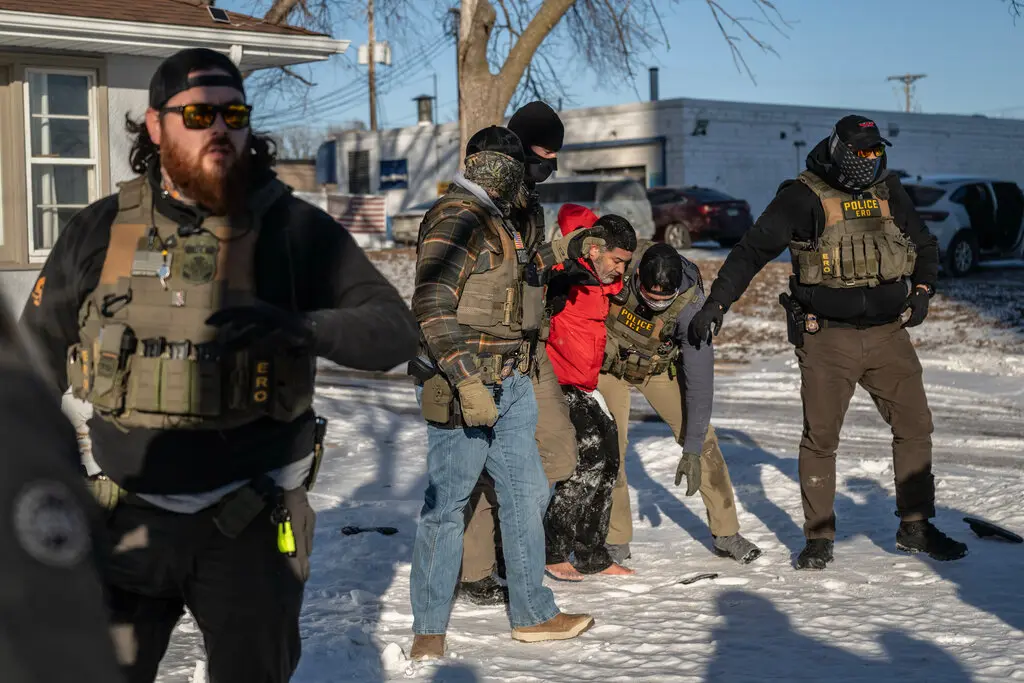
The White House has announced a significant change in its approach to immigration enforcement in Minnesota, as part of a broader effort to address border security and immigration issues. The administration’s newly appointed Border Czar detailed this shift on January 29, emphasizing a move toward targeting human smuggling networks and organized crime rather than broad or routine immigration enforcement operations. This adjustment aims to focus resources more efficiently and prioritize cases with substantial public safety risks.
Minnesota has recently seen higher numbers of unauthorized border crossings and increased activity attributed to smuggling groups, prompting the federal government to reassess its tactics. Between fiscal years 2022 and 2025, national border apprehensions reached record highs, with a majority concentrated along the southern border, but interior enforcement concerns have also escalated in states like Minnesota. The Border Czar acknowledged the complexity of balancing humanitarian considerations with law enforcement priorities in regions affected by such dynamics.
Under the revised strategy, federal officials will prioritize investigations into smuggling organizations and criminal enterprises that facilitate illegal crossings and trafficking, rather than conducting mass enforcement sweeps affecting families and vulnerable migrants. The White House official stated, “Our goal is to dismantle these dangerous networks and protect communities without unnecessarily disrupting families who often seek refuge.” This approach contrasts with previous practices that sometimes led to detentions and deportations of migrants without clear links to criminal activity.
Experts indicate that such a targeted enforcement shift may reflect changes in the administration’s broader immigration policy framework, which has emphasized legal pathways and addressing root causes of migration alongside enforcement. According to data from U.S. Customs and Border Protection, smuggling-related arrests accounted for a growing proportion of interior enforcement cases in the Midwest during 2025, supporting the decision to reallocate personnel and investigative focus.
The Border Czar underscored that this policy change does not signal a reduction in vigilance but rather an optimized deployment of resources to tackle substantive threats. Federal authorities will continue collaborating with state and local law enforcement in Minnesota to monitor immigration patterns and respond to security concerns. Legal experts note that enforcement priorities are subject to ongoing review based on shifting migration trends and judicial rulings.
The administration intends to monitor the impact of the revised tactics closely and adjust operations as needed in coordination with partner agencies. Officials emphasized their commitment to upholding legal standards while enforcing immigration laws fairly and effectively. No immediate changes to broader border policy were announced beyond the specific Minnesota enforcement realignment detailed by the White House Border Czar on January 29.