
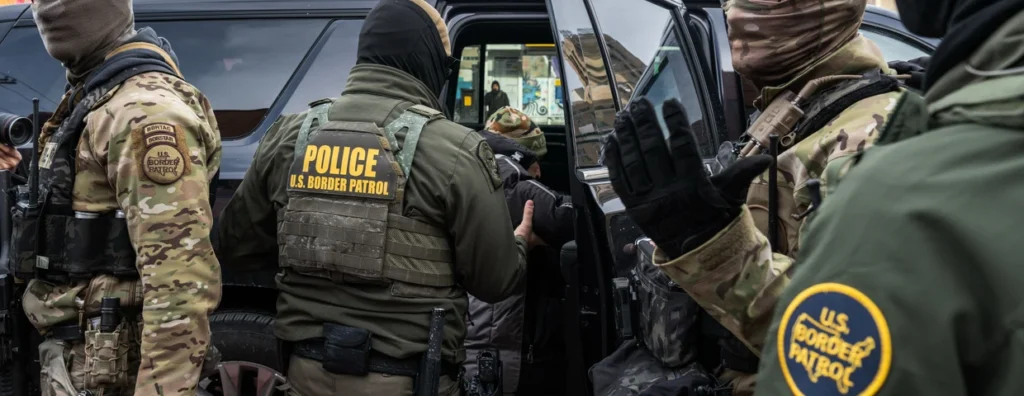
Approximately 3,000 agents from Immigration and Customs Enforcement (ICE) and Customs and Border Protection (CBP) have been positioned in Minneapolis as part of an intensified immigration enforcement operation. This surge in federal presence began in early December, marking Minneapolis as a new focal point for the Trump administration’s crackdown on immigration. The deployment represents a significant escalation in federal immigration activity within a major U.S. city far from the southern border. The increase in personnel and enforcement activity occurred amid growing concerns about unauthorized immigration and sanctuary city policies. Minneapolis had become notable for its local government’s more lenient stance on cooperation with federal immigration authorities, which the administration viewed as an obstacle to immigration enforcement efforts. The deployment of federal agents to Minnesota was in line with broader national policies aimed at strengthening immigration controls and deterring unauthorized arrivals.
The operation involves a coordinated effort between ICE and CBP, federal agencies responsible for managing immigration laws, conducting arrests, and enforcing deportation orders. Agents have been assigned various roles, ranging from apprehending individuals who are in the country unlawfully to supporting investigations into immigration-related violations. The infusion of manpower aims to bolster the agencies’ capacity to carry out immigration policies that have become a high priority for the federal government. This significant deployment highlights the evolving approach of the federal government in addressing immigration enforcement beyond traditional border zones. By extending operations into interior locations such as Minneapolis, agencies are attempting to disrupt unauthorized immigration networks and improve enforcement outcomes. These actions also reflect ongoing tensions between federal and local authorities over jurisdiction and priorities related to immigration enforcement.
Officials have indicated that the surge in agents will continue for the foreseeable future as part of a sustained effort to uphold immigration laws within the United States. The operation in Minnesota is expected to be a model for similar initiatives in other cities where federal authorities identify enforcement challenges. The increased presence of ICE and CBP agents represents a pivotal shift in how immigration enforcement is being conducted away from U.S. borders and within states farther north.