
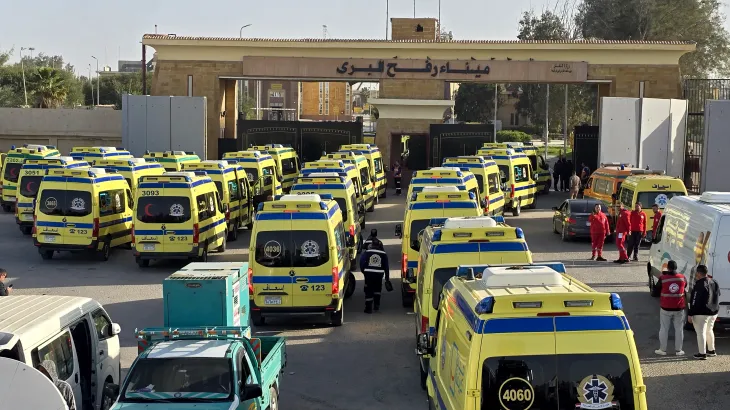
The Rafah border crossing between Gaza and Egypt reopened on February 1, 2026, allowing a limited number of Palestinians to exit Gaza after weeks of closure. The crossing had been shut for months amid deteriorating security and political conditions, severely restricting movement for more than two million residents of the Gaza Strip. The Egyptian authorities announced the move following coordination with Israeli officials, permitting primarily medical patients, humanitarian cases, and foreigners to cross.
The blockade on Gaza, which Egypt and Israel enforce, has been criticized internationally for its impact on civilian life and economic activities. Prior to the reopening, the crossing had been closed since late November 2025, restricting access that is vital for medical treatment, trade, and family reunification. Over 90 percent of Gaza’s population relies on aid according to latest United Nations reports, with the border closure exacerbating shortages of essential supplies.
Egyptian officials stated that the opening of Rafah would be partial and carefully controlled to maintain security. The crossing will be open for five days starting February 2, with an initial quota allowing approximately 1,000 individuals to pass each day. Israeli authorities continue to maintain strict restrictions on other border points surrounding Gaza, citing security concerns related to the ongoing conflict with militant groups in the territory.
This reopening marks the first access to the outside world for many Gazans since the border closure amid intensified hostilities in late 2025. International humanitarian organizations have called on both Egypt and Israel to facilitate more sustained and predictable crossings to alleviate the humanitarian crisis. The United Nations emphasized that the closure has contributed to increased economic hardship and limited health care access for Gaza’s vulnerable population.
Representatives from Palestinian authorities welcomed the Rafah opening as a necessary relief for civilians but underscored the necessity for a consistent and longer-term solution. Egyptian officials remarked that the movement through Rafah remains subject to prevailing security assessments and bilateral agreements with Israel. No commitments were made on further extensions beyond the planned five-day opening period, and authorities urged all travelers to prepare for possible delays or cancellations.
Humanitarian groups have indicated that the crossing’s reopening could help facilitate urgent medical evacuations and delivery of aid, although the flow of goods remains heavily regulated. The situation at Rafah continues to be a focal point in broader diplomatic efforts addressing the Israeli-Palestinian conflict and the humanitarian situation in Gaza. Negotiations involving regional actors and international bodies are ongoing to seek more durable arrangements for border access.
The Egyptian Ministry of Interior and border officials confirmed that health and security checks will remain in place, and those crossing will be subject to screening procedures. Israeli defense sources reiterated their commitment to monitoring the border perimeter to prevent the entry of weapons and militants. Both governments affirmed their aim to balance humanitarian needs with national security concerns amid complex and evolving conditions in the region.
The reopening expands the limited options for Gazans to leave the enclave, often dependent on Rafah as their only exit point aside from stricter Israeli checkpoints. The UN Relief and Works Agency for Palestine Refugees in the Near East (UNRWA) reported that since the closure, dozens of critical medical cases have faced life-threatening delays in accessing treatment. The current measure, though limited, represents a rare moment of eased restrictions following a period of intensified border closures.
Authorities have stated the situation will be reviewed at the end of the five-day window, with future openings contingent on security developments. Palestinian officials continue to press for a full lifting of the blockade and unrestricted access to border crossings to address the humanitarian and economic challenges faced by Gaza’s population. The Rafah crossing reopening constitutes an important but tentative step amid the ongoing regional complexities and tensions.