
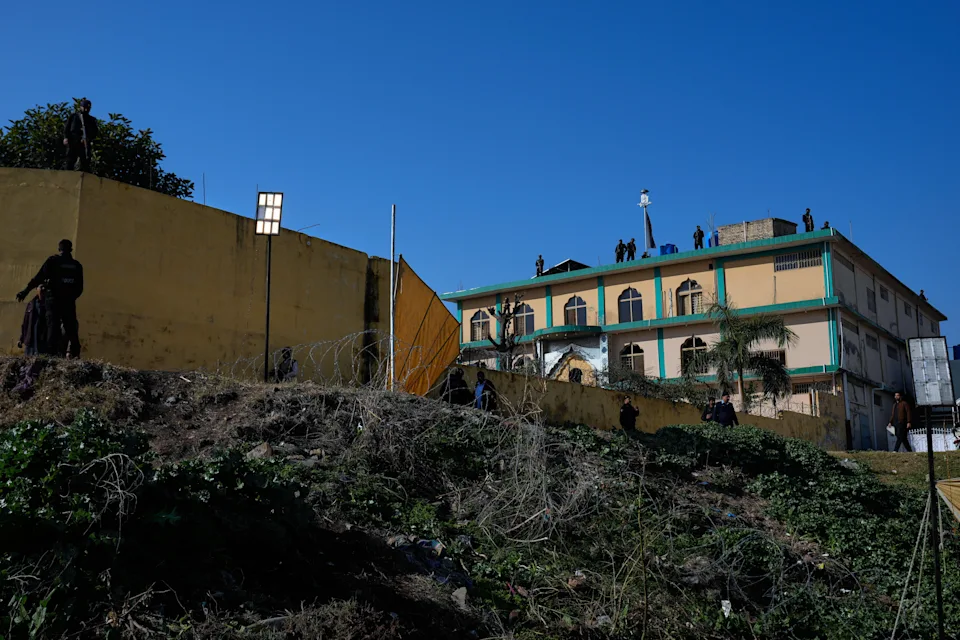
Pakistani law enforcement officials have detained four individuals believed to be linked to the suicide bombing that killed 31 people at a mosque in Peshawar. The attack targeted the Shiite congregation during Friday prayers, one of the deadliest assaults in the region in recent years. Authorities identified the suspects as affiliates of the Islamic State, reflecting ongoing concerns about extremist violence in the northwestern province of Khyber Pakhtunkhwa.
Historically, Pakistan has struggled with militant activity, particularly in areas bordering Afghanistan, where groups such as Tehrik-i-Taliban Pakistan and Islamic State affiliates have operated. The state’s legal framework mandates swift counterterrorism responses under procedural laws that empower agencies like the Counter Terrorism Department to carry out arrests and investigations. Previous court cases have resulted in capital punishments for individuals convicted of orchestrating similar attacks, underscoring the judiciary’s role in addressing terrorism.
The arrests followed an extensive investigation involving intelligence gathering and coordinated raids led by local and federal security forces. The operation aimed to disrupt the network responsible for the bombing and prevent further incidents. Law enforcement agencies have emphasized adherence to judicial processes during the detentions and indicated that forensic evidence played a critical role in linking the suspects to the attack.
This development holds substantial implications for Pakistan’s broader security strategy, which balances counterterrorism initiatives with efforts to stabilize affected regions. The apprehension of these suspects exemplifies institutional coordination among intelligence and policing agencies determined to uphold public safety and combat militant cells. Internationally, Pakistan’s response is monitored as part of global efforts to curb extremist violence and maintain regional stability.
Officials have declared that investigations are ongoing, and the suspects will be presented before an anti-terrorism court for formal charges and trial procedures. Further judicial proceedings will assess the extent of their involvement and determine subsequent legal actions consistent with Pakistan’s anti-terrorism laws.