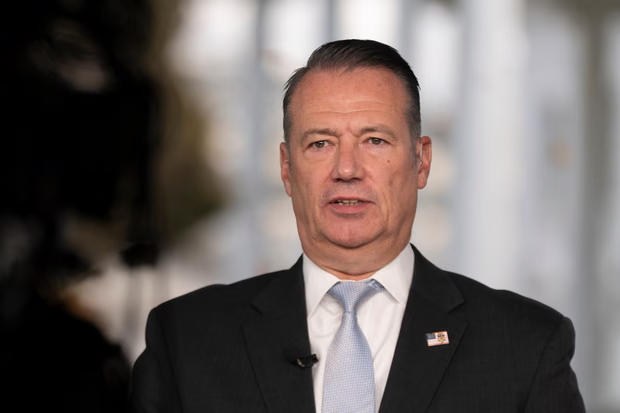
A federal judge in Minnesota has issued an order summoning the acting director of U.S. Immigration and Customs Enforcement (ICE) to appear in court, warning that failure to comply could result in a contempt of court citation. The action highlights increasing judicial scrutiny of immigration enforcement policies amid ongoing disputes over the treatment of detained migrants and contractual obligations with private facilities. The judge’s directive serves as a demonstration of the judiciary’s willingness to hold federal officials accountable for cooperation with legal proceedings related to immigration enforcement oversight. This summons follows a series of hearings examining ICE’s handling of detention capacity and contract compliance, and the administration’s broader immigration enforcement strategies. The judge emphasized the importance of executive branch transparency in cases involving detention facilities and immigrant rights. The legal context involves questions around federal detention contracts and the degree to which agency leadership must provide testimony concerning operational decisions. This judicial order occurs against the backdrop of ongoing political debate over immigration enforcement policies under the current administration. Immigration advocates and officials have closely watched the case, as it may set precedent for enforcing legal accountability measures against high-ranking enforcement officials. The court’s involvement reflects broader tensions between branches of government over enforcement practices and detainee treatment standards. The order to appear is part of a larger judicial effort to ensure compliance with court mandates and to clarify ICE’s obligations in managing detention contracts. This move may also influence future regulatory discussions and congressional oversight of U.S. immigration enforcement agencies. The acting ICE chief’s response and any further court proceedings will shape how enforcement leadership interacts with judicial inquiries moving forward, potentially impacting agency transparency and legal accountability.
Minnesota judge orders acting ICE chief to appear citing contempt concerns
-
By Mack Gregory

Related Content
Lawmakers Demand Howard Lutnick Resign Over Epstein Connection Denial
By
Mack Gregory
February 9, 2026
UK Labour Leader Faces Calls to Resign Over Epstein Inquiry Comments
By
Mack Gregory
February 9, 2026
Hong Kong Businessman Jimmy Lai Sentenced to 20 Years in Prison Under National Security Law
By
Mack Gregory
February 9, 2026
IAEA and OCP Group Collaborate to Enhance Global Food Security
By
Mack Gregory
February 9, 2026