
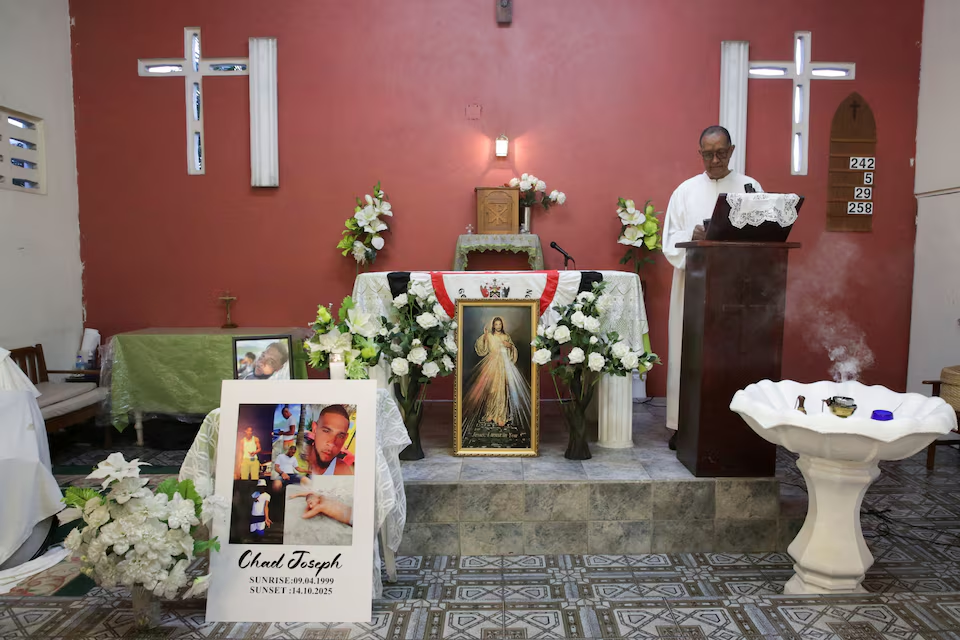
Two families whose relatives died after being struck by a boat in the Caribbean have filed lawsuits against the United States government, alleging negligence in enforcement of maritime regulations. The lawsuits stem from an incident in which two men lost their lives after a collision involving a U.S. vessel, prompting accusations that inadequate safety measures contributed to the tragedy. The plaintiffs claim the government failed to act appropriately to prevent the fatal accident despite known risks in the area. This legal action marks a significant escalation in the efforts to hold federal authorities accountable for maritime safety enforcement in tropical waters frequently used by both commercial and recreational vessels. The background of the case involves longstanding challenges in regulating maritime traffic in the Caribbean Sea, which is a major route for cargo shipping, tourism, and local transportation. Frequent boat traffic combined with variable weather and sea conditions has led to numerous accidents over the years. The families’ lawsuits highlight concerns that enforcement agencies, including those under the Department of Homeland Security, have not implemented sufficient patrols, inspections, or education programs to prevent collisions such as the one that resulted in the deaths of their loved ones. They emphasize that more rigorous oversight and adherence to safety protocols could have averted the disaster.
Legally, the suits accuse the federal government of negligence and failure to uphold regulatory responsibilities designed to protect individuals using the waters authorized under U.S. jurisdiction. The plaintiffs argue that enforcement of safety regulations and vessel operation standards has been insufficient, directly contributing to the fatal outcome. The cases are pending in federal court and may involve extensive examination of agency protocols, prior incident records, resource allocation, and whether federal maritime enforcement strictly complied with existing legislation meant to reduce boating accidents in shared waterways. The lawsuits also prompt broader discussions about institutional responsibility in managing maritime safety in U.S.-controlled areas. Agencies tasked with enforcing laws must balance security, commercial interests, and public safety, but critics say improvements are needed in training, equipment, and inter-agency coordination. The incident underscores the challenges faced by enforcement bodies in overseeing a complex maritime environment where residential, commercial, and tourist activities overlap extensively. It also raises questions about accountability mechanisms and whether current rules adequately protect vulnerable populations using these waters.
Moving forward, the judiciary’s rulings in these lawsuits may set precedents for how aggressively federal agencies must enforce safety regulations in the Caribbean and other regions. Increased scrutiny could lead to policy changes or legislative reform aimed at preventing further tragedies. Government officials have yet to publicly comment on the suits, but stakeholders across maritime sectors are closely watching developments for indications of future regulatory direction. The outcomes could have significant implications for maritime governance and the protection of individuals navigating contested waterways.