
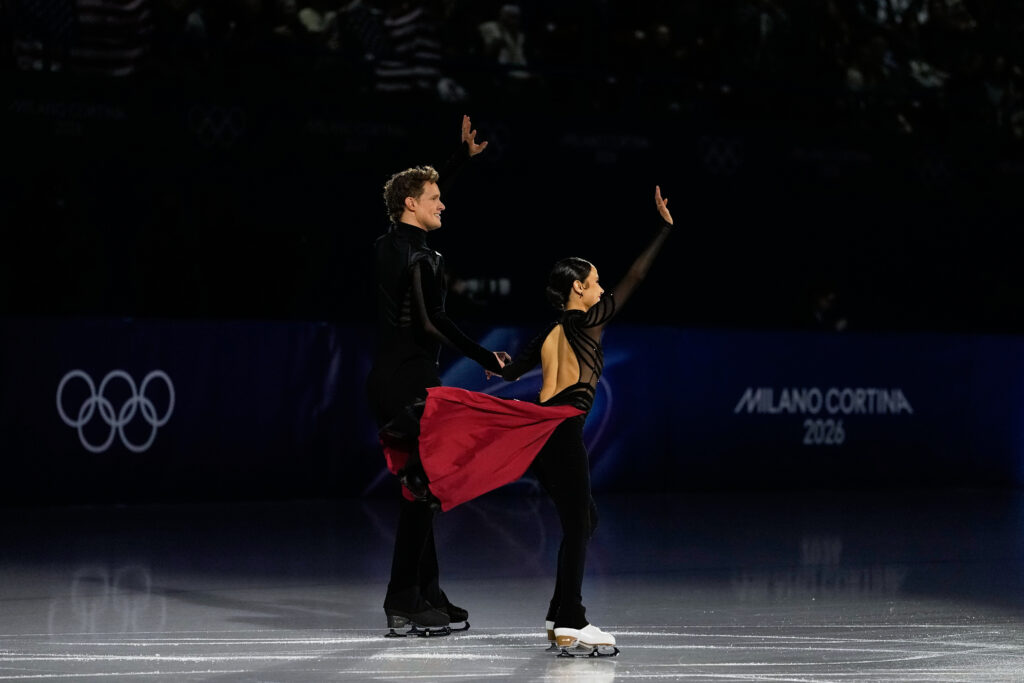
Japanese figure skater Yuma Kagiyama delivered a commanding performance in the men’s short program at the Olympic Games, outscoring American frontrunner Ilia Malinin and significantly narrowing the points gap between the two athletes. The event took place on Saturday, with Kagiyama executing a technically demanding routine that earned praise from judges and raised expectations for the overall competition.
Known for his consistency and artistry, Kagiyama’s performance included clean jumps and precise footwork that distinguished him in a highly competitive field. Ilia Malinin, widely recognized for his record-breaking quadruple jumps and celebrated as a leading figure skater for the United States, faced a rare setback as his short program did not meet the scoring heights observers anticipated. Despite his technical prowess, Malinin was unable to surpass Kagiyama’s total, marking a notable moment in the contest where the Japanese athlete’s execution placed him in a stronger position heading into the free skate. This shift underscored the evolving dynamics of men’s figure skating at the Olympic level, where technical skill and performance quality must align under stringent judging criteria.
The scoring was conducted under the International Skating Unionâ?Ts judging system, which allocates points based on technical elements and program components such as skating skills, transitions, performance, composition, and interpretation. Kagiyama’s routine included multiple quadruple jumps, which he completed with clean landings to maximize base value and Grade of Execution scores. Malinin, acknowledged as the â?oQuad Godâ?? for his ability to perform multiple quadruple jumps in competition, struggled with a few execution deductions that affected his overall score.
This short program result has practical implications for the Olympic men’s singles competition by intensifying the contest between Japan and the United States, two nations with deep figure skating traditions and strong contingents. Kagiyama’s success reflects Japan’s continued prominence on the international stage, highlighting the depth of talent cultivated through their national training programs. Meanwhile, Malinin’s performance illustrates the pressure and unpredictability present even for top-ranked athletes in the Olympic environment.
Official scoring summaries from the organizing committee confirmed Kagiyama’s lead after the short program segment, detailing the technical and component scores that contributed to his advantage. The competition schedule allocates the free skating portion to occur in the following days, where the cumulative total scores will determine medal placements. Both skaters, as primary contenders, are scheduled to perform their free routines with the world watching closely.
No procedural disputes or appeals were reported following the short program’s conclusion, adhering to the ISU competition rules that govern Olympic figure skating events. The results stand as final unless a formal review is filed under protocols established for judging irregularities, which require prompt and documented submissions for consideration. Official communications from the figure skating federation reaffirmed the integrity of the judging process and the athletes’ adherence to competition regulations.
Key points
- Kagiyama’s clean short program vaulted him ahead of Ilia Malinin heading into the Olympic free skate.
- Judges cited superior execution and component scores, while Malinin lost ground on deductions.
- The result tightens the Japan-U.S. battle for men’s singles medals with the free program still to come.