
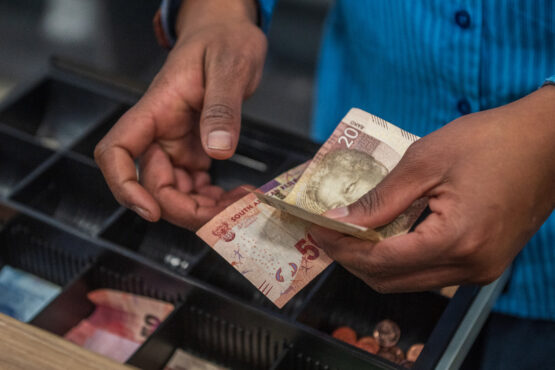
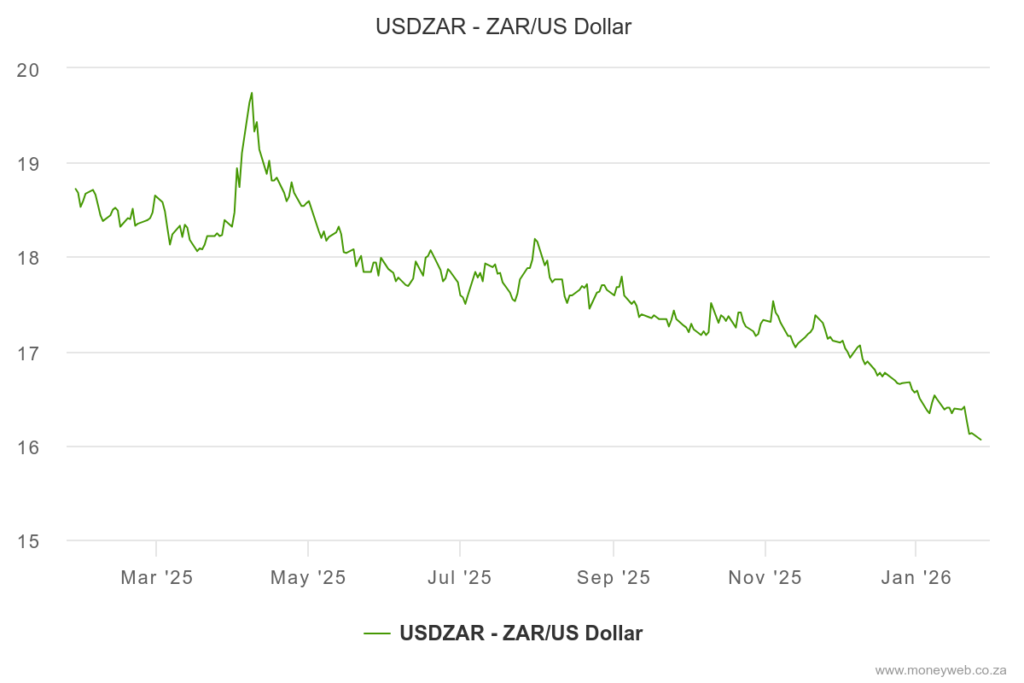
The South African rand fell below the sixteen to the US dollar mark on
Thursday 26 January 2026 for the first time since 2022 marking a
notable shift in the currency’s recent performance on global markets
According to The Global Brief this weakening of the rand reflects a
complex mix of factors affecting investor confidence and South
Africa’s economic outlook The currency dropped to 16.02 against the
dollar during early trading periods before stabilising slightly below
this level analysts said The decline is attributed in part to renewed
concerns over domestic economic challenges including slower growth
prospects rising inflationary pressures and policy uncertainties in
Pretoria.
The movement also mirrors global trends as investors seek
safer assets amid lingering geopolitical tensions and fluctuating
commodity prices which are critical to South Africa’s export revenues
The rand has historically been sensitive to changes in global risk
appetite and the strength of the US dollar raising concerns among
policymakers and market participants about potential impacts on import
costs and inflation
The Global Brief notes that the local currency’s
depreciation could further increase the cost of servicing foreign debt
and place upward pressure on consumer prices particularly for fuel and
food items which constitute significant portions of household
expenditure In response to these developments financial experts
emphasise the need for sustained fiscal discipline and structural
reforms to restore market confidence and support the currency The
South African Reserve Bank has repeatedly signalled its readiness to
use monetary policy tools to contain inflation although policymakers
face a delicate balance between tightening interest rates and
supporting economic growth

The weakening rand also highlights
vulnerabilities in emerging market economies that are highly dependent
on external capital flows and commodity exports Recent data suggest
South Africa’s economic recovery has been uneven with persistent
unemployment and infrastructure constraints hampering stronger
performance Furthermore the rand’s slide below the sixteen mark
triggers closer scrutiny from rating agencies and international
investors who monitor currency stability as an indicator of broader
economic health Market analysts suggest that currency volatility could
persist as geopolitical risks in key trading partners evolve and
monetary policies in major economies such as the United States remain
uncertain
The Global Brief stresses that while short term fluctuations
are common the trend underscores the importance of addressing both
domestic structural issues and global market dynamics comprehensively
South African businesses and consumers face immediate pressures from
more expensive imports but may benefit over time from enhanced
competitiveness if exporters leverage currency weaknesses effectively
The Reserve Bank is expected to continue monitoring foreign exchange
markets closely with policymakers prepared to intervene if volatility
threatens financial stability The rand’s recent movement underscores
the need for coordinated economic policies to strengthen investor
confidence and support sustainable growth amid challenging
international conditions