





























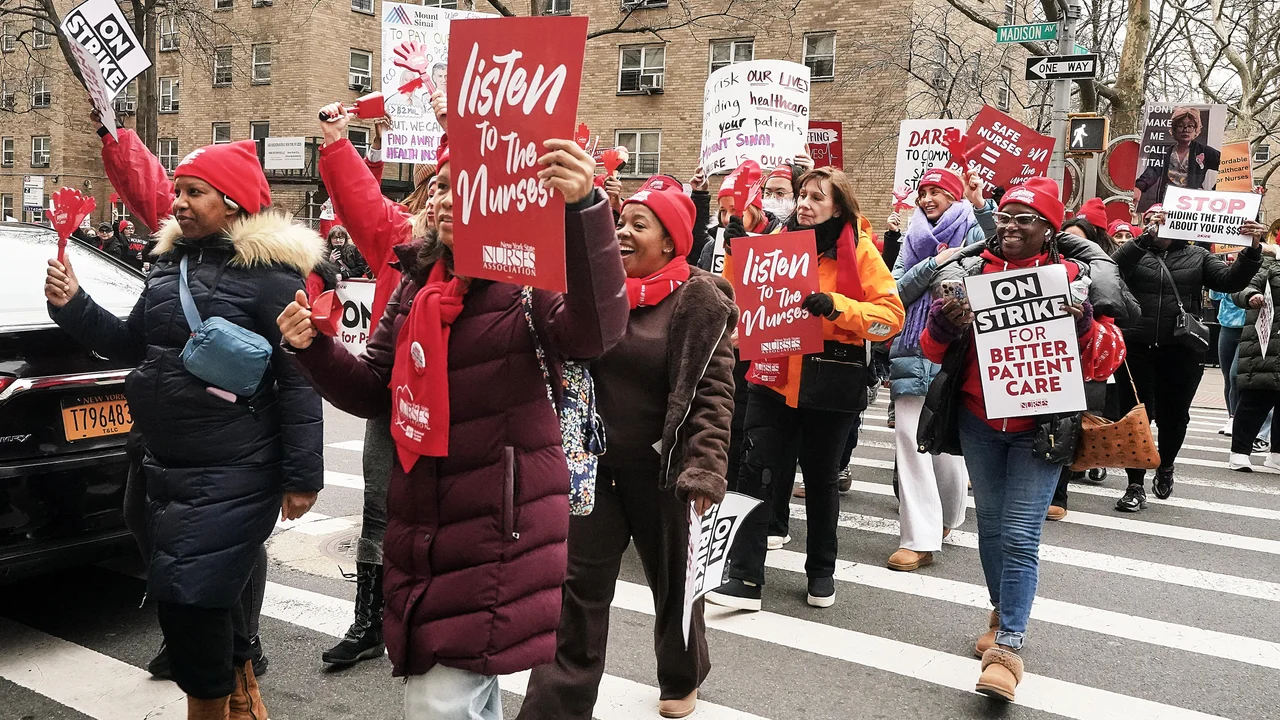
Nurses represented by the New York State Nurses Association (NYSNA) have reached tentative contract agreements with some New York City hospitals, following a strike that began in late May 2023. These agreements mark the first major step toward ending the prolonged labor action involving thousands of nurses demanding improved wages, staffing ratios, and working conditions. The tentative contracts cover multiple prominent hospital systems, signaling progress in negotiations after weeks of intensive bargaining under increasing public and political pressure.
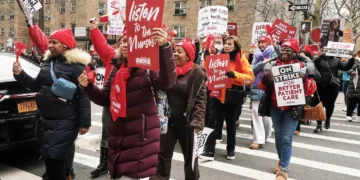
The strike commenced on May 15, 2023, when approximately 4,000 nurses walked off the job at 11 acute care hospitals across the city, protesting longstanding grievances related to patient safety and employment terms. The NYSNA union subsequently targeted additional hospitals, expanding the strike to over 13 facilities and affecting close to 7,000 nurses. The walkouts followed months of stalled negotiations amid high inflation and heightened healthcare demands during the ongoing recovery from the COVID-19 pandemic. The union sought substantial pay increases, specific limits on patient-to-nurse ratios, and protections against mandatory overtime.
The tentative agreements reached involve key hospital groups, including Mount Sinai Health System, Northwell Health, and NYC Health + Hospitals, which operates the city’s public hospital network. According to NYSNA officials, these contracts include wage increases averaging between 10 and 15 percent over the next three years, enforceable staffing level guarantees, and improved benefits. NJYSNA President Linda Burnes Bolton stated, “These agreements reflect our commitment to achieve safe staffing standards and fair compensation, prioritizing both the nurses and the patients they care for.” Formal ratification votes by union members are pending, expected within the coming weeks.
Hospital executives confirmed the progress but emphasized the complexity of finalizing all terms, noting differences remain with some facilities not yet resolved. They underscored their dedication to restoring full operations and maintaining quality patient care throughout the negotiations. The unions and hospitals are also discussing enhanced mental health support for staff and investments in nurse training programs. Legal and regulatory frameworks govern the collective bargaining process, requiring both parties to negotiate in good faith and allowing for mediation overseen by the New York State Public Employment Relations Board when disputes arise.
The strike attracted significant attention given New York City’s status as a major healthcare hub, servicing millions of residents annually. The hospitals affected include several trauma and specialty care centers critical to citywide emergency response capabilities. Several civic leaders and New York state officials engaged with the parties to urge a swift resolution, citing concerns over prolonged service disruptions. The tentative accords followed direct dialogue facilitated by mediators and consistent public appeals for compromise.
The NYSNA strike constitutes one of the largest nursing labor actions in recent New York State history, highlighting ongoing tensions in the healthcare sector over workforce shortages and cost-of-living adjustments. Experts and officials note these agreements potentially set precedents regarding safe staffing laws and wage norms in urban hospital systems. Upon ratification, nurses are expected to return to work promptly, allowing hospitals to resume full capacity operations. The union has stressed the importance of securing durable contract provisions to address systemic issues affecting nurse retention and patient care quality.