
































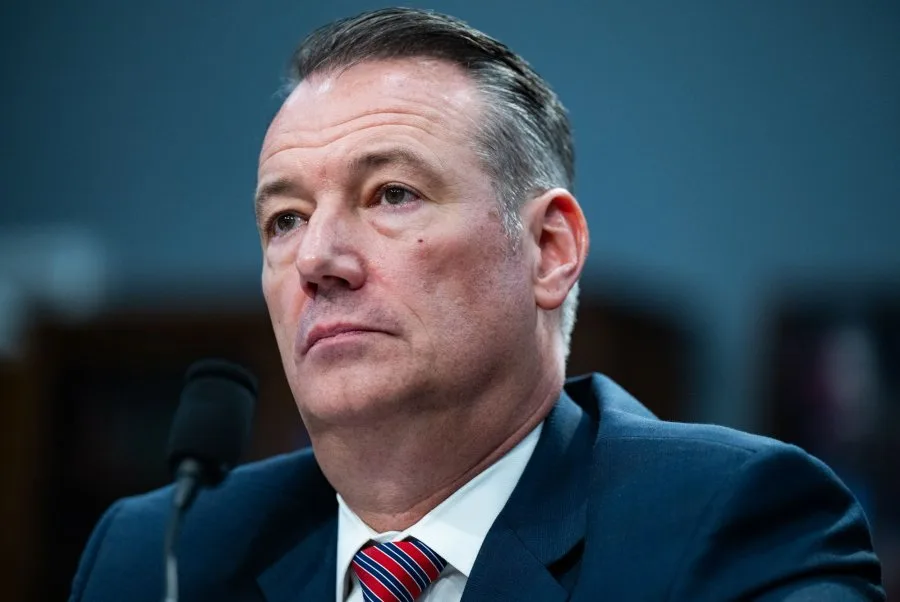
The chief judge of the U.S. District Court in Minnesota has ordered the acting director of Immigration and Customs Enforcement to appear in court in person and explain why he should not be held in contempt for violating a prior court order. Judge Patrick Schiltz issued a brief three-page order in which he criticized the Trump administration for failing to comply with numerous court directives related to Operation Metro Surge, a recent detention campaign targeting undocumented immigrants in the Twin Cities. According to Schiltz, these violations have caused significant hardship to detained individuals seeking legal relief through habeas petitions and other lawsuits. Judge Schiltz, who was appointed by President George W. Bush, expressed that he has exercised considerable patience despite the administration’s deployment of thousands of federal agents without adequate arrangements to process the resulting surge of legal challenges. “The court’s patience is at an end,” Schiltz wrote, emphasizing that previous attempts to enforce compliance through lesser measures had not succeeded. In his order, Schiltz mandated Todd Lyons, ICE’s acting director, to personally appear before the court to show cause why contempt proceedings should not be initiated.
The order arises from a case involving Juan Hugo Tobay Robles, an Ecuadorian man who entered the United States unlawfully as a minor in 1999. Tobay Robles was detained earlier this month and is being held at Fort Snelling, Minnesota, in immigration custody. He challenged his detention in federal court, prompting Schiltz to issue an earlier ruling requiring immigration authorities to provide Tobay Robles with a bond hearing within seven days or to release him immediately if no hearing was given. Tobay Robles’ attorneys later notified the court that no bond hearing had been offered and their client remained in custody. Schiltz’s order includes a provision allowing Lyons to avoid appearing in court if Tobay Robles is released or a bond hearing is promptly scheduled, with documentation confirming such action submitted to the court. The enforcement effort in the Twin Cities has overwhelmed federal courts with a flood of petitions from detained immigrants contesting their confinement. Meanwhile, another Minnesota judge is reviewing a separate request from state officials seeking to terminate Operation Metro Surge entirely.
The Minnesota district court’s tensions with the Trump administration extend beyond immigration enforcement. Last week, Schiltz engaged in a dispute over the Justice Department’s efforts to secure arrest warrants for five individuals linked to an anti-ICE protest at a church in St. Paul. After a magistrate judge declined to issue the warrants, including one for former CNN anchor Don Lemon, the administration sought quick appellate intervention. The U.S. Court of Appeals for the Eighth Circuit unanimously refused the request, siding with the magistrate judge and rejecting what it saw as an extraordinary push by the Justice Department. Judge Schiltz responded by describing the administration’s actions as “unprecedented” and stated that “there is absolutely no emergency” warranting the accelerated judicial intervention. This confrontation highlights ongoing friction between federal immigration enforcement priorities and judicial oversight in Minnesota amid wider national debates on immigration policy and civil liberties. The court’s directive for ICE’s acting leader to appear underscores the judiciary’s insistence on adherence to legal procedures even amid heightened immigration crackdowns.