




















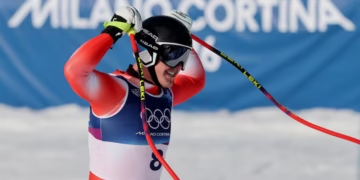










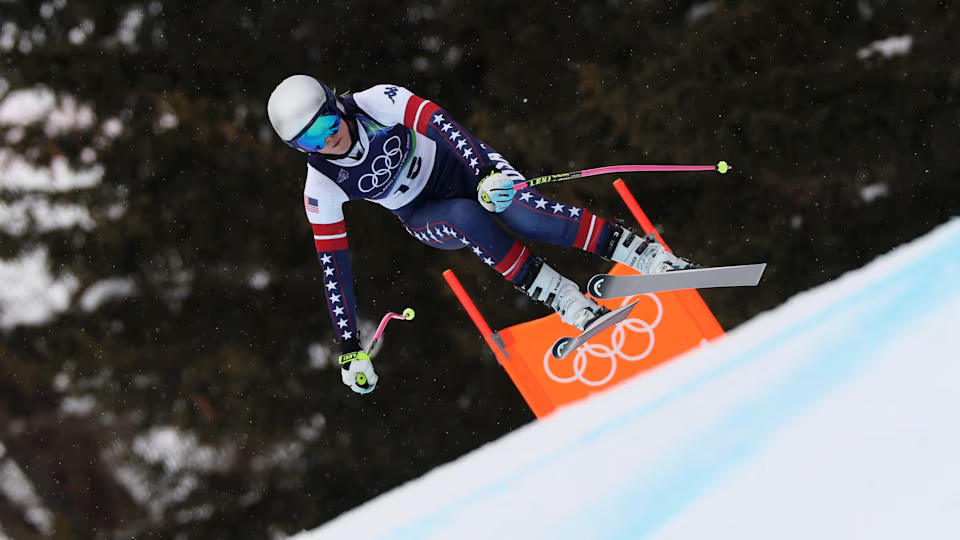
American alpine skier Lindsey Vonn made a highly watched return to Olympic downhill racing after reconstructive surgery on a torn ACL, rejoining the field in her first Games since the injury and drawing global attention to her recovery.
Vonn, one of the most decorated athletes in women’s skiing, lined up in the downhill event determined to demonstrate that months of rehab had restored her form. The race unfolded under intense scrutiny from fans and officials eager to see how far she could push her rebuilt knee against a world-class field.
Her ACL tear during preseason training had cast doubt on whether she would compete at all, since that injury typically sidelines athletes for extended stretches. She spent the interim working with surgeons, physiotherapists and team trainers on a meticulous plan that gradually reintroduced speed work and gate training.
The downhill course demanded the usual blend of top-end velocity and precision, and Olympic scheduling under IOC and FIS rules cleared her to race once medical staff signed off. Multiple evaluations in the weeks before the Games verified that she could load the repaired knee at racing speeds.
Vonn ultimately finished mid-pack, falling short of the podium but proving she could complete the full course against reigning champions and emerging talents. Officials published the timing sheets showing her deficit, which reflected both the depth of the field and residual effects from limited competition reps since surgery.
Sports-medicine specialists highlighted the significance of her rapid return, noting that successful ACL comebacks hinge on surgical precision, disciplined rehab, and the athlete’s confidence when reintroducing high-impact loads. Her case became an example of how tailored rehab protocols can shorten the timeline back to elite status.
Governing bodies also pointed to evolving safety standards, from improved course prep to stricter monitoring of workload, as factors that made her re-entry feasible. Organizers enforced the Games’ broader health requirements, adding another layer of oversight during her staged return.
Statements from the U.S. Ski Team emphasized that her health guided every decision, framing the result as a milestone rather than a medal-or-bust moment. Coverage of the run balanced appreciation for her career résumé with a factual read on where she currently ranks in the downhill field.
Vonn’s performance has already fed into broader discussions about injury management and longevity in alpine skiing, underscoring how modern sports medicine, athlete advocacy and clear regulatory frameworks intersect whenever stars attempt a comeback.
Key points
- Vonn returned to the Olympic downhill months after ACL surgery, passing IOC and FIS medical checks.
- She finished mid-field, but cleanly completed the course and showcased the progress from intensive rehab.
- The comeback spotlights advances in injury recovery protocols and the caution teams apply when clearing star athletes.