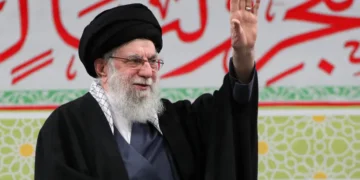
























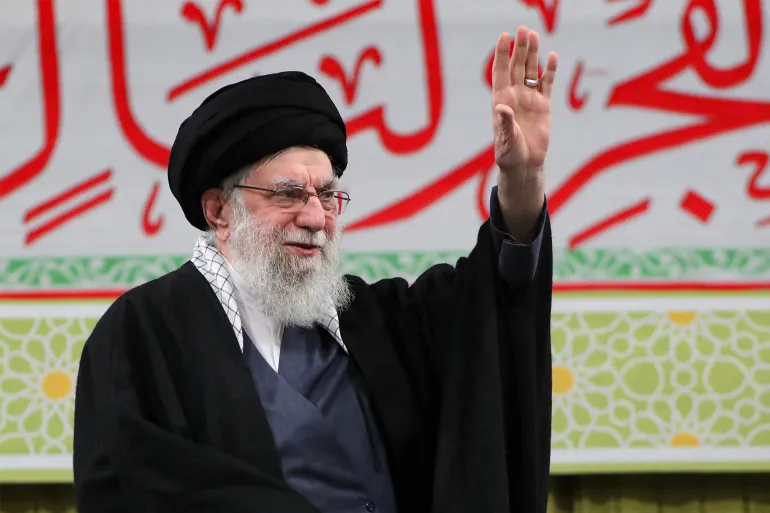
Iran’s Supreme Leader Ayatollah Ali Khamenei issued a stark warning on Sunday, stating that any military action by the United States against Iran would trigger a “regional war” across the Middle East. His remarks came amid escalating tensions between Tehran and Washington following the U.S. withdrawal from the Iran nuclear deal and the imposition of renewed sanctions. Khamenei emphasized Iran’s readiness to respond decisively to any aggression, underscoring the severity of consequences for the region if conflict were initiated.
The backdrop to this deterrent message includes persistent disputes over Iran’s nuclear program and regional influence. Since the U.S. reimposed sanctions in 2018, Iran has gradually reduced its commitments under the 2015 nuclear agreement, officially known as the Joint Comprehensive Plan of Action (JCPOA). Iranian authorities have intensified uranium enrichment beyond limits previously permitted, drawing criticism from global powers and increasing fears of destabilization throughout the Middle East.
Khamenei criticized U.S. policies as attempts to isolate and weaken Iran but insisted that Tehran’s determination to defend its sovereignty remains unshaken. He reaffirmed that Iran would not initiate conflict but would respond robustly if attacked. This warning reflects Iran’s long-standing policy of deterrence and signals to both regional actors and international stakeholders the potential scale of confrontation if diplomatic solutions collapse.
The tensions hold broader implications for ongoing negotiations and regional security alliances. The United States and other signatories of the nuclear deal have urged Iran to return to compliance and engage in dialogue, while Iran demands sanction relief and recognition of its rights. The Supreme Leader’s declaration adds complexity to diplomatic efforts by emphasizing the high stakes of military confrontation and the risks of spillover into neighboring countries.
International observers highlight that any escalation in clashes between the U.S. and Iran could disrupt global energy markets and intensify proxy conflicts across the Middle East. Iran’s position as a significant oil producer and its strategic alliances with non-state actors amplify concerns about widespread instability. The warning from Khamenei aligns with past statements cautioning against underestimating Iran’s capacity to retaliate and affect regional dynamics.
In response to these developments, Iran maintains it seeks peaceful coexistence but insists on a respectful approach to sovereignty and national interests. The Supreme Leader’s remarks serve as a formal statement of Iran’s red lines and position ahead of potential shifts in U.S. administration policy or military planning. Officials from Tehran have emphasized that dialogue remains the preferred path, but reiterated that Iran will not hesitate to protect itself if provoked.