































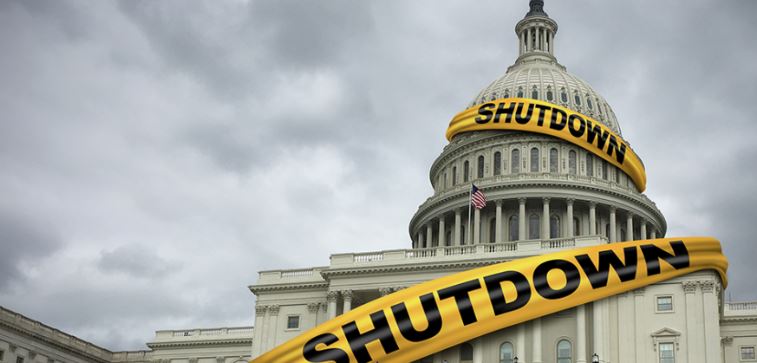
The United States has experienced fewer federal government shutdowns in recent decades, but those that occur are increasingly longer and cause greater disruption across the public sector. Since 1980, there have been 21 government shutdowns, yet the frequency has diminished sharply in recent years while their financial and operational impact has intensified. Experts emphasize that modern shutdowns affect more programs and last for extended periods, amplifying the damage to government operations and services. Government officials and policymakers have voiced concern over the evolving nature of shutdowns and their consequences on federal employees and the public.
Historically, government shutdowns resulted from congressional budget disagreements that temporarily halted non-essential federal services. Between 1980 and 1995, shutdowns averaged less than a week, often resolving within days. However, the last two decades have witnessed fewer shutdowns, yet with significantly prolonged durations. For instance, the 2018-2019 shutdown lasted 35 days, the longest in U.S. history, affecting approximately 800,000 federal workers and numerous agencies. This marked contrast in duration underscores a shift in the political landscape where budget impasses have led to more intense institutional standoffs. Analysts note that although shutdown frequency has dropped, the compounded costs represented by lost productivity and economic disruption are far greater.
Legal and policy frameworks around shutdowns have also evolved. The Antideficiency Act mandates federal agencies to cease operations during funding gaps, leading to furloughs and curtailment of services. Recent shutdowns have highlighted challenges such as delayed government payments, suspended regulatory activities, and interruptions in essential public programs like national parks and public health. Congressional negotiations often revolve around contentious budget priorities, but the impasse can trigger extensive disruptions beyond immediate fiscal calculations. Efforts to mitigate shutdown consequences have included legislation proposing funding continuity mechanisms, though no permanent solution has yet been enacted.
The economic effects of prolonged shutdowns extend well beyond government payrolls. During the 35-day 2018-2019 closure, estimates suggest the U.S. economy lost upwards of $11 billion in economic output, according to the Congressional Budget Office. Federal contractors and related industries similarly experience significant revenue dips. Moreover, regions heavily reliant on federal employment face cascading social and economic effects. The cumulative burden of shutdowns strains taxpayer resources and public trust in government efficacy. These dynamics have led institutional stakeholders to call for reforms that reduce the likelihood or impact of shutdowns while preserving legislative oversight of federal spending.
Officials have indicated that despite the progressively disruptive nature of government shutdowns, political incentives to resolve funding disputes expeditiously persist. Congressional leaders continue to negotiate appropriations but face complex partisan dynamics influencing budget approvals. The continuation of shutdown risks remains apparent as unresolved budgetary issues loom for future fiscal years. Legislative proposals and executive branch measures seek to introduce safeguards, but the procedural and political context creates ongoing challenges. Government agencies prepare contingency plans anticipating potential shutdown scenarios, underscoring the entrenched nature of this recurring issue within the federal governance framework.