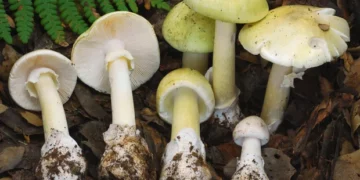































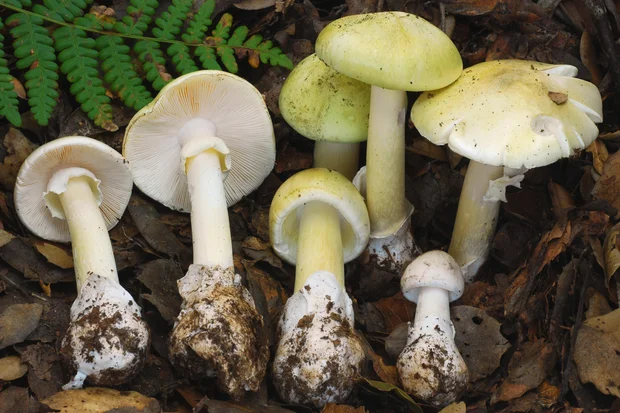
California health authorities have issued warnings following four deaths and three liver transplants linked to poisonings caused by wild mushrooms in the state this year. Experts identify the culprit as the highly toxic death cap mushroom, which contains potent amatoxins that can cause severe liver damage. Officials urge residents and visitors to refrain from consuming any wild mushrooms unless identified by an expert due to the difficulty of distinguishing poisonous species from edible varieties. The California Department of Public Health reported these severe cases over recent months, highlighting the growing concern amid increased foraging activity in local woodlands and parks. This marks one of the most severe spates of mushroom poisoning fatalities recorded in the state in recent years, underlining the risks involved with unregulated foraging. Wild mushrooms are popular among many foragers for their perceived nutritional and culinary value, but even a small ingestion of death cap mushrooms can be fatal without prompt medical intervention. The symptoms often begin with gastrointestinal distress and progress to liver failure, as noted by clinicians involved in treating the victims of these recent poisonings.
The state has activated outreach efforts to educate the public on the dangers of foraging without proper knowledge, emphasizing that death cap mushrooms can closely resemble several edible species. These mushrooms are responsible for most fatal mushroom poisonings worldwide and are notoriously difficult to distinguish from safe varieties without specialized expertise. The Department of Public Health’s warnings are part of a broader public safety campaign triggered by this cluster of severe cases, including advice to seek immediate medical attention if wild mushrooms are consumed and symptoms such as nausea, vomiting, or abdominal pain develop. Physicians and toxicologists stress the importance of rapid diagnosis and treatment, which can include activated charcoal, aggressive supportive care, and in the most extreme cases, liver transplantation. Three individuals in California have required liver transplants after consuming death cap mushrooms, reflecting the critical nature of their poisoning. This level of medical intervention underscores the mushrooms’ lethal potency and the challenge medical teams face in managing such intoxications. Historically, poisonings from wild mushrooms have led to a relatively small number of deaths in California, but experts warn that climate factors and increased outdoor activities may be contributing to a rise in such incidents.
The California Poison Control System, collaborating with hospitals statewide, continues to monitor poisonings and provide guidance to healthcare providers. Officials have also called for enhanced reporting and tracking of mushroom poisonings to better understand patterns and aid in prevention efforts. No current policies restrict foraging on public lands in California specifically concerning mushrooms, but officials encourage the public to exercise extreme caution and avoid consuming wild mushrooms given the severe health risks illustrated by recent events. Public health advisories are particularly urgent during the rainy season when mushrooms are more prevalent, and inexperienced foragers may be at greater risk. State health officials reaffirm that the most effective prevention remains complete avoidance of wild mushroom consumption unless verified by qualified mycologists. There are no indications of any legal action or regulatory changes planned; the state is prioritizing awareness and medical readiness in response to poisonings. The Health Department continues to collaborate with local and national mycology experts to disseminate accurate information and reduce further incidents. The public is advised to report cases of suspected mushroom poisoning immediately to medical personnel and poison control centers to ensure timely treatment and data collection.