































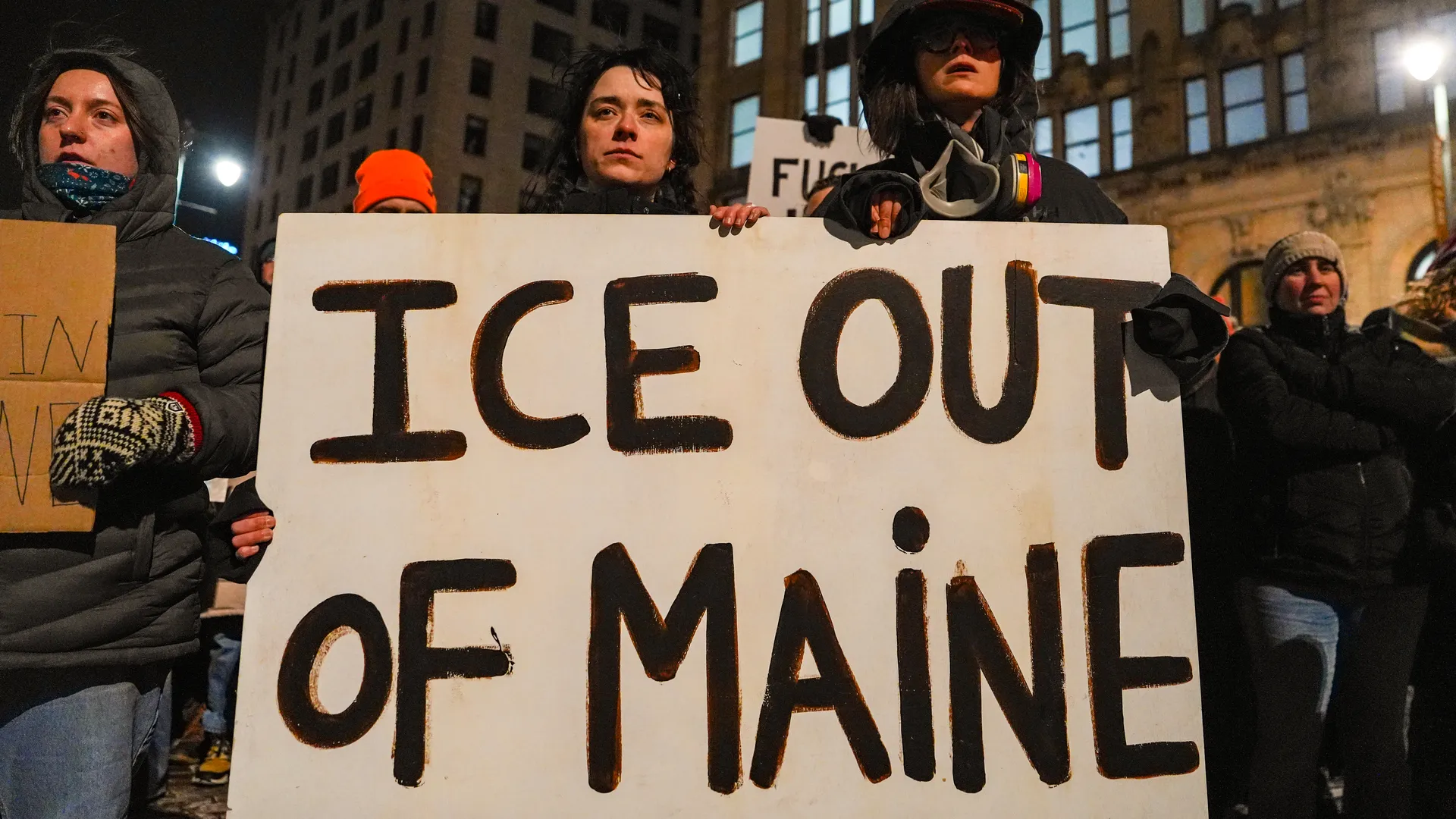
The U.S. Immigration and Customs Enforcement agency has officially ended its enhanced immigration enforcement activities in the state of Maine, according to Senator Susan Collins. The announcement marks the conclusion of a period of intensified immigration operations that had drawn significant attention and scrutiny across the state. Senator Collins confirmed the cessation of these operations during a recent public statement addressing concerns raised by local communities and officials. The termination of these enforcement measures follows growing criticism from state representatives and advocacy groups who argued the operations were disruptive and counterproductive to local interests.
Enhanced enforcement operations by ICE in Maine were part of a broader federal strategy initiated in late 2023, focusing on increased immigration detentions and deportations within certain jurisdictions. These operations targeted individuals alleged to be in violation of immigration laws, often involving workplace raids and collaboration with local law enforcement. Critics of the program highlighted that such efforts contributed to heightened anxiety among immigrant populations and strained relationships between federal agencies and local authorities. During this period, Maine experienced several high-profile immigration cases that attracted widespread media coverage and sparked debates about federal immigration policy effectiveness.
Senator Collins underscored that the decision to end these enhanced operations was based on consultations with federal officials and assessments of their impact on community cohesion and economic stability. She emphasized that maintaining public safety and ensuring fair treatment of all residents remain primary objectives. The conclusion of ICE’s intensified operations does not imply a complete halt to immigration enforcement in Maine but signifies a return to standard enforcement protocols. The change aims to balance law enforcement goals with respect for community needs and regional economic considerations.
Statistics from the Department of Homeland Security indicated that during the heightened enforcement period, a measurable increase in detentions of unauthorized immigrants was reported in Maine, paralleling similar trends observed nationwide. However, data also showed concerns over potential disruptions to local labor markets and public services, reinforcing calls for more tailored immigration policies that account for local conditions. The federal government continues to face challenges in implementing immigration enforcement in diverse regions, underscoring the complex dynamics between national mandates and local realities.
Officials from ICE have stated that routine immigration enforcement activities will proceed following established federal guidelines and priorities. Senator Collins reiterated the importance of ongoing dialogue between state representatives and federal immigration authorities to address future enforcement in a manner sensitive to Maine’s specific demographic and economic context. The agency’s withdrawal from enhanced operations marks a notable shift in the approach to immigration enforcement in the state, reflecting responses to political, social, and economic factors identified during the intensified operational phase.