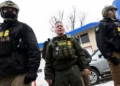






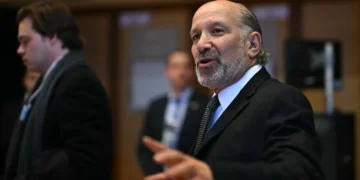
























The U.S. Small Business Administration (SBA) has suspended more than 111,000 California borrowers amid an investigation revealing $8.6 billion in suspected fraudulent activity related to small business loan programs. This move follows comprehensive inquiries into misuse and misrepresentation during the distribution of pandemic relief funds designed to support small enterprises. The unprecedented scale of the suspensions marks one of the largest enforcement actions targeting business loan fraud in recent history. Federal officials emphasized the critical need to protect government resources intended for genuine small businesses nationwide.
The suspensions involve borrowers accused of submitting false information to obtain relief funds, resulting in improper disbursements under programs such as the Paycheck Protection Program (PPP). Data reviewed by the SBA uncovered numerous instances of potentially ineligible recipients receiving significant financial aid, prompting stronger oversight and action. According to agency records, California accounts for a substantial portion of these suspicious loans, reinforcing ongoing concerns about fraudulent claims during the early phases of pandemic support efforts. Experts have highlighted that fraud in government aid programs undermines relief efforts and may divert crucial support from legitimate applicants.
Enforcement actions by the SBA include freezing funds associated with the suspicious borrowers and initiating investigations in cooperation with federal law enforcement agencies. The administration has taken steps to recover misappropriated funds where possible and to pursue legal measures against confirmed instances of fraud. This crackdown reflects the commitment of the SBA and affiliated authorities to strengthen safeguards and accountability in federal loan programs, especially as pandemic relief funds continue to be audited and reviewed across multiple states. Officials indicated that these suspensions represent only part of broader efforts to address systemic vulnerabilities exposed by fraudulent activities.
The revelations come as the SBA continues to refine and implement controls aimed at preventing abuse in current and future business assistance programs. The government has invested in data analytics and inter-agency collaborations to identify and mitigate fraud risks more effectively. These efforts align with longstanding goals to preserve taxpayer resources and uphold the integrity of federal support mechanisms. Historical comparisons show that fraud in emergency relief programs often surges during rapid disbursement phases, underscoring the challenges of balancing speed with stringent verification processes.
SBA representatives stated that affected borrowers have the opportunity to respond to the suspensions through administrative procedures, and all cases will undergo thorough review to determine the validity of the claims. The agency affirmed its intention to maintain transparency throughout the investigation process while ensuring compliance with federal regulations. Future updates from the SBA are expected to detail outcomes and any judicial proceedings resulting from these enforcement measures. Agency officials reiterated the priority of safeguarding small business relief for those who legitimately rely on government assistance to sustain their operations.