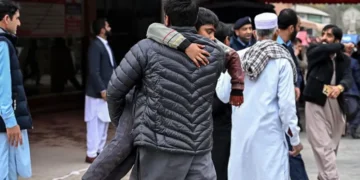









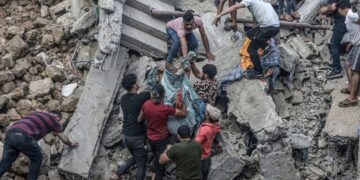

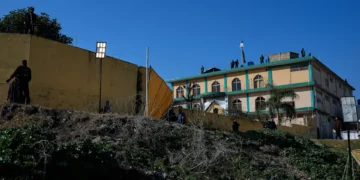


















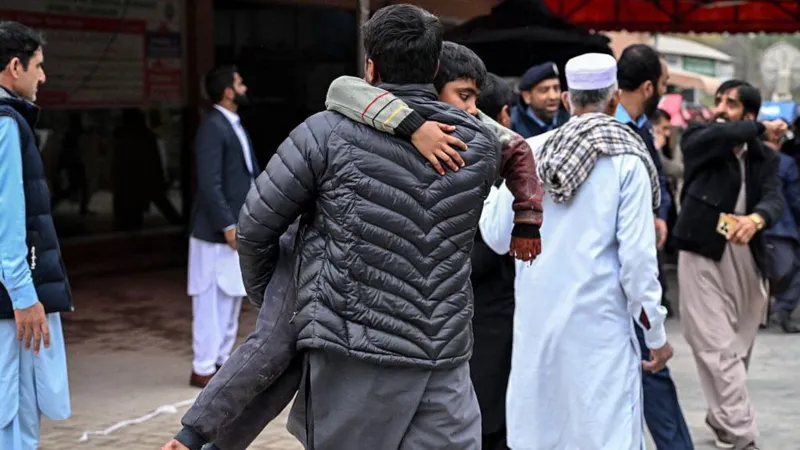
A suicide bombing struck a mosque in Islamabad, Pakistan, killing at least three dozen people and wounding numerous others during Friday prayers. The blast occurred inside the Masjid Al-Ghuraba in the I-8 sector of the capital, a densely populated area, according to local officials. Emergency services rushed to the scene where chaos and panic unfolded as worshippers tried to flee the explosion and assist the injured. Security personnel cordoned off the area while rescue operations continued amid fears of additional casualties.
Authorities identified the attack as a coordinated suicide bombing carried out by a lone assailant who detonated a vest packed with explosives inside the mosque. This incident is one of the deadliest security breaches in the capital in recent years, highlighting persistent challenges Pakistan faces with militancy despite intensified counterterrorism efforts. Government officials condemned the attack, emphasizing it aimed to sow sectarian strife and disrupt peace in the capital. The country has experienced a mix of violence from insurgent factions and extremist groups targeting civilians and religious sites.
Islamabad is generally considered a high-security zone compared to other parts of Pakistan, yet attacks like these underline ongoing vulnerabilities. Security forces have increased checkpoints and surveillance around religious and public spaces since the explosion. Pakistan’s Prime Minister expressed condolences to the victims’ families and vowed to bring those responsible to justice. The Interior Ministry ordered a security review of all places of worship across the country following this tragedy.
Historically, Pakistan has seen numerous deadly attacks on mosques, especially those frequented by minority sects, reflecting deep-rooted sectarian tensions. According to government data, terrorism-related incidents have declined significantly over the last decade due to military operations, but sporadic attacks still occur with devastating impact. The current bombing raises urgent questions about the protection of civilians and places of worship amid ongoing threats posed by domestic and regional militant groups.
Investigators are probing potential links between the bomber and known extremist organizations in the region, aiming to dismantle any networks involved. Medical authorities confirmed that most of the wounded were transferred to nearby hospitals for treatment, with several in critical condition requiring intensive care. No group has officially claimed responsibility at this stage. The police have urged the public to cooperate in identifying suspects and have increased intelligence gathering to prevent future attacks.
Officials have announced that a full inquiry will be conducted to assess security lapses and implement stricter protective measures for religious gatherings. The government reiterated its commitment to maintaining law and order and safeguarding places of worship. Aid groups and local communities launched relief efforts to support the victims and their families in the aftermath of the bombing. The incident remains under close national and international scrutiny as Pakistan grapples with the consequences of extremism within its borders.